What can I expect when I get a massage?
During your initial visit, you will fill out a confidential case history form, and your therapist will interview you to ask more about your symptoms. The therapist may also perform some orthopedic tests to pinpoint the exact problem. Once completed, your RMT will discuss with you his / her findings as well as a treatment plan.
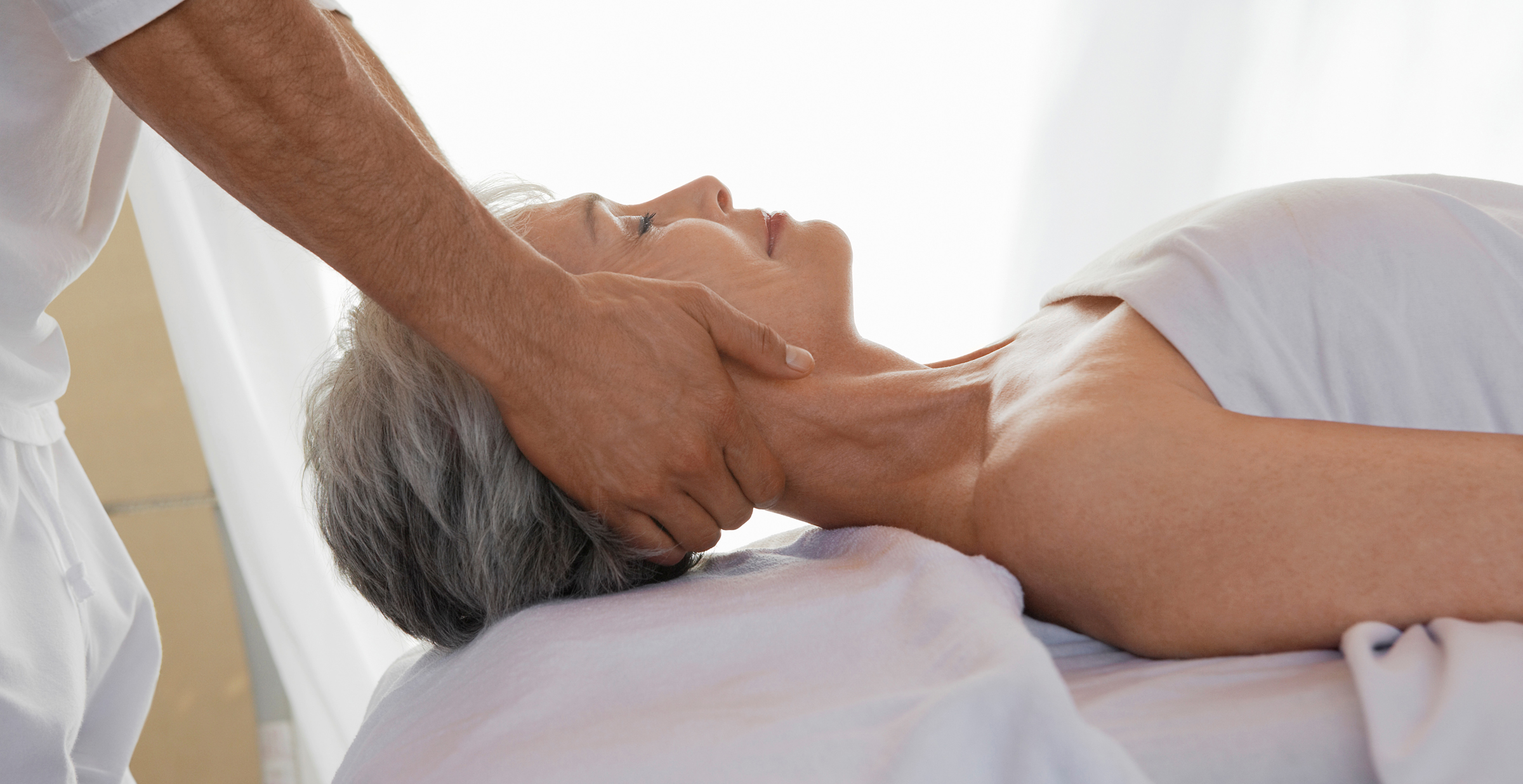
Once you consent to the treatment plan, the therapist will leave the room so you may disrobe and lie down on the massage table between a set of sheets. Treatment is often most effective when techniques are applied to bare skin. You will be draped with a sheet at all times, and only the area being directly treated will be uncovered. It is ALWAYS your right to leave on as much clothing as makes you comfortable.
After the treatment, the therapist may reassess you to evaluate the treatment provided and to note improvement. They may also discuss stretching and strengthening exercises for you to perform at home, as well as possible changes to activities that aggravate your injury.
Subsequent treatments will be similar to the above description, but with less time spent on interviews and assessments.

How are Massage Therapists trained & regulated?
Massage Therapists in BC are the most highly trained in North America, with 3 years of education. The curriculum includes anatomy, physiology, neurology, pathology, and orthopedics. Some specific conditions covered in the program include tendonitis, arthritis, whiplash, and pregnancy-related complaints, among many others.
Upon graduation, prospective therapists must pass a 7-hour written exam and a 2-hour practical exam (70%), both administered by the College of Complementary Health Professionals of BC (CCHPBC). The CCHPBC. regulates and licenses RMTs and other health professionals in BC. To maintain CCHPBC registration, all RMTs must pay professional dues, carry at least 1 million in malpractice insurance, and complete accredited Continuing Education courses to maintain and improve their skills.